


SoloPro - Offline Player
TingCoco Player
I approached SoloPro - Offline Player as a practical entertainment app rather than something to browse casually and forget. Its short store description, “SoloPro,” says very little, while the fuller identity points toward offline playback. That difference matters: the useful question is not whether the app promises endless discovery, but whether it makes sense for the way you already keep and enjoy media.
In my experience, an offline player earns its place when it removes a small but repeated annoyance. Maybe you want entertainment during a commute, need playback where connectivity is unreliable, or simply prefer not to depend on a streaming catalog. SoloPro is aimed at that kind of decision. It is free to download, rated for Everyone, and developed by TingCoco Player, so it is easy to try without committing money at the beginning.
The app sits in the entertainment category, and its current version is 1.3.4. It runs on Android 8.0 and later, which keeps it accessible on many older phones as well as newer devices. That broad compatibility is useful, although the experience will still depend on the quality and organization of the media you bring to the player.
How I Would Decide Whether SoloPro Belongs on My Phone
My first decision criterion would be control. An offline player is most appealing when I already know what I want to watch or listen to and do not need a recommendation engine to make the choice for me. If your routine involves prepared files and deliberate playback, SoloPro has a clear reason to exist. If you expect a service to supply a constantly changing library, a conventional streaming app is likely a better match.
The second criterion is reliability. Streaming alternatives can be convenient, but they depend on a connection and on the availability of particular content. Offline playback changes the trade-off: preparation happens before the journey, then the actual session can be less dependent on signal quality. I find that especially valuable when I do not want buffering, unexpected interruptions, or the distraction of managing a connection while trying to relax.
Related News

Why WhatsApp Messenger Still Makes Everyday Communication Feel Easy

Jurassic World: The Game Is the Better Dino Tycoon for Strategic Players

Threads in Real Life: Who Should Join, Lurk, or Leave

How SHEIN Turned Shopping Into an Endless Content Feed

How to Make Fortnite Feel Smarter on Mobile

Should You Switch to Microsoft Outlook on Mobile?
The third criterion is simplicity. I would not choose an offline player for elaborate social features or a large content ecosystem. I would choose it because the basic task should feel direct. A good workflow is to prepare the files, open the player, locate the item, and start playback without turning a five-minute break into a settings project. SoloPro makes the most sense when that focused approach is what you want.
There is also a more practical question: how much effort are you willing to spend organizing your own media? Offline playback is not magic. It rewards people who keep files in sensible folders, use recognizable names, and occasionally clean up material they no longer need. If your library is disorganized, the player may expose that problem rather than solve it.
The audience that gets the most from an offline player
I would recommend trying SoloPro if you regularly use a phone for personal entertainment and want playback that is not tied to a live connection. It can suit commuters, travelers, students taking breaks between classes, and anyone with a collection of material they prefer to keep available locally. It is also a reasonable option for people using an older Android phone, since the minimum operating system is Android 8.0.
Gallery
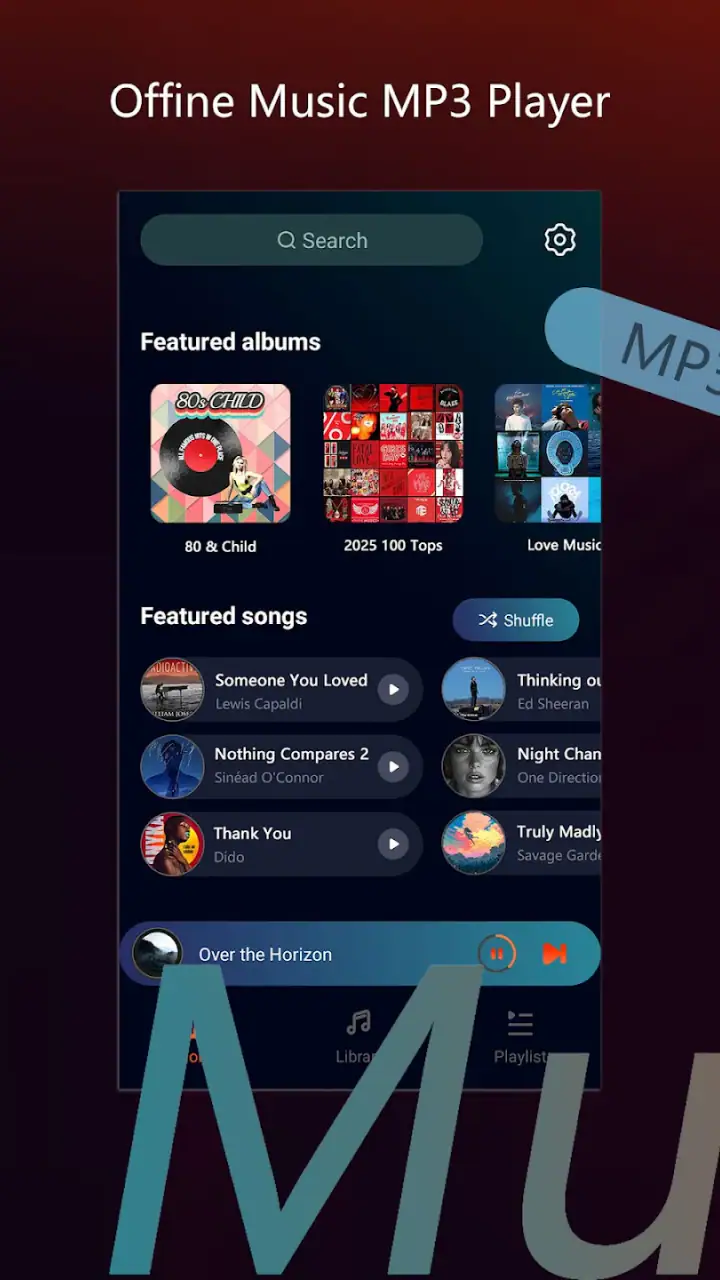
A realistic example is a long train journey. Before leaving, I would arrange the files I expect to use, check that they are stored on the phone, and open SoloPro once to make sure the library is easy to navigate. During the trip, I could rely on the prepared collection instead of repeatedly searching for a signal or choosing between whatever a streaming service happens to offer. The important benefit is not novelty; it is removing uncertainty from the journey.
That same workflow can help at home. If several people share a connection, local playback avoids competing for bandwidth during a short viewing session. It can also be useful when you want a familiar piece of content without opening a broader platform full of recommendations and unrelated distractions. For me, that narrower purpose is one of the strongest arguments for this type of application.
Small habits that make the experience better
The first useful habit is to organize before opening the app. I would create a simple folder structure based on how I actually search: perhaps by mood, trip, subject, or person who uses the device. A technically neat library is not always a practical one. The best arrangement is the one that lets me find a specific item quickly when I am tired, offline, or in a hurry.
The second is to keep a short “ready” collection for situations where I do not want to browse. Instead of filling the device with everything, I would maintain a small group of dependable choices and refresh it occasionally. This reduces search time and helps preserve storage. It also turns SoloPro into a predictable tool rather than another catalog that demands attention.
The third is to test the complete offline routine before depending on it. I would switch off connectivity briefly, open the player, locate a file, begin playback, and check that the result is comfortable. This is a simple step, but it prevents a common mistake: assuming that a file is ready merely because it appears somewhere on the phone. Preparation is part of the experience with any offline player.
A fourth insight is that local playback changes how I judge a phone’s storage. Instead of treating available space as an abstract number, I would think in terms of actual trips or listening sessions. Keeping only what I will use soon makes the device easier to navigate and leaves room for ordinary phone tasks. SoloPro is most pleasant when the collection feels curated, not when every file ever downloaded is placed in one crowded list.
What the app’s popularity tells me—and what it does not
SoloPro has an average rating of 4.8 from around twelve thousand ratings, with more than four hundred written reviews. It has also passed one million installs. Those figures suggest that the app has attracted a substantial audience and that many users find its basic purpose worthwhile. I see that as a reason to test it, not as a substitute for deciding whether offline playback fits my habits.
Popularity cannot answer the most personal questions. It does not tell me whether my own library will feel tidy, whether the interface will suit my preferred routine, or whether I would rather have a service that supplies content automatically. The app’s value depends heavily on that match between its focused role and my expectations.
Where SoloPro Wins, and Where Another Category May Be Better
SoloPro’s strongest position is against streaming-first entertainment apps when the priority is independence from a live connection. Streaming is excellent for immediate access and discovery, but it can make the user dependent on network conditions and catalog availability. An offline player reverses that priority. I prepare first, then enjoy the material with fewer external variables.
It also compares favorably with broader media ecosystems when I want fewer distractions. Many entertainment services are designed to keep me browsing, switching titles, and following recommendations. That can be enjoyable, but it is not always what I want. SoloPro’s focused identity is better for a deliberate session: choose something, play it, and stop thinking about the platform.
On the other hand, a streaming service may fit better if I do not maintain local files or if discovering new material is the main reason I open an entertainment app. In that situation, the preparation required by an offline player becomes friction. I would rather search a large catalog than manage folders, transfer files, and plan ahead.
A cloud-based media solution may also be preferable for someone who moves constantly between devices. Local playback is naturally tied to the phone where the files are stored. If your priority is seamless continuity across several screens, a service built around synchronized access may be more convenient, even if it gives you less direct control over local storage.
There is a similar trade-off with specialized players. If you need advanced controls for a particular media workflow, a dedicated alternative may offer a better fit. I would not select SoloPro simply because it is free; I would select it when its straightforward offline purpose matters more than specialist tools or a larger ecosystem.
Where the free model helps and where it deserves attention
The app is free, which removes the biggest barrier to testing it. That is important for a utility whose usefulness depends on personal habits. I can install it, try a real offline routine, and decide whether it earns a permanent place on the phone without paying upfront.
There are in-app purchases priced from $2.99 to $19.99 per item. That does not automatically make the free experience unsuitable, but it does mean I would pay attention to what is offered before buying anything. My approach would be to use the basic workflow first, identify the exact limitation I am trying to solve, and only then consider whether an optional purchase is worthwhile.
This is also where the cost of switching matters. Moving from streaming to local playback may involve selecting files, arranging them, and changing the way I plan entertainment. Moving from another offline player may require learning a different interface and rebuilding my preferred organization. The financial cost may be low, but the time cost is real, especially for a large library.
I would reduce that switching cost by starting with one small collection rather than moving everything at once. A travel folder or a weekend selection is enough to test whether navigation feels natural and whether the offline routine is genuinely more convenient. If it works, I could expand gradually. If it does not, I have not disrupted my whole setup.
Everyday limitations I would consider before installing
The main limitation is the responsibility that comes with local media. SoloPro cannot make preparation disappear. I still need to know where my files are, decide what belongs on the phone, and manage storage over time. For someone who wants instant access to a broad catalog, that may feel less convenient than opening a streaming alternative.
Another limitation is that offline playback can encourage a narrow routine. A prepared collection is dependable, but it may not offer the surprise of discovering something new. I would use SoloPro alongside a discovery-focused service if I wanted both control and variety, rather than expecting one app to do both jobs equally well.
The age rating of Everyone makes the app approachable for a broad audience, but that label should not be confused with a guarantee about every file a user stores locally. The player and the media collection are separate parts of the experience. For shared devices, I would still organize content carefully and make sure the material available to other users is appropriate for them.
Because the app supports Android 8.0 and later, it is accessible on older hardware, but older phones may have less storage or slower navigation than newer ones. I would keep the local library focused on such a device. That is not a criticism unique to SoloPro; it is a practical consequence of using local media on hardware with limited room.
Questions I would answer before making the switch
If I were asked whether SoloPro needs an internet connection every time I use it, my answer would be based on its offline-player purpose: the sensible workflow is to prepare content first and use the player locally afterward. I would still complete a test with connectivity disabled before relying on it for travel, because that confirms that my own files and routine are ready.
If someone asked whether it replaces a streaming subscription, I would say only for a specific kind of user. It can replace the playback part for people who already have suitable local media, but it does not serve the same role as a service built around discovery and a large online catalog. The choice depends on whether access or control is more important.
If the question were whether it is suitable for an older Android phone, the answer is encouraging because Android 8.0 is the minimum listed operating system. I would still leave enough free storage for normal phone use and keep the collection organized, since compatibility alone does not guarantee a comfortable library.
If a user is worried about paying, the free download makes experimentation straightforward. I would not purchase an in-app item immediately. I would first establish a repeatable routine, then decide whether an optional purchase solves a problem I actually experience. That is a better test than buying based on curiosity.
Finally, if someone asks who should skip it, I would point to users who want automatic recommendations, synchronized access across devices, or a ready-made catalog without file preparation. They may be happier with a streaming or cloud-centered alternative. SoloPro is not the universal answer; it is a focused answer to the need for local playback.
My recommendation after weighing the trade-offs
I would recommend SoloPro - Offline Player to anyone who values dependable local entertainment and is willing to spend a little time preparing a collection. Its free entry point, Everyone rating, broad Android compatibility, and strong user response make it easy to test. More importantly, its offline focus can make ordinary situations—travel, weak connectivity, shared bandwidth, or distraction-free breaks—feel simpler.
I would not recommend it as the only entertainment app for a person who mainly wants discovery. If your ideal session begins with browsing a large catalog and ends with recommendations for what to watch next, a streaming-first alternative will probably feel more natural. The same is true if you dislike organizing files or regularly switch between several devices.
For my own use, I would treat it as a practical companion rather than a complete media ecosystem. I would keep a carefully selected local collection, test it before trips, and review the in-app purchase options only after finding a specific need. That approach keeps the app’s strengths visible while avoiding the frustration of expecting it to behave like a different category of product.
Overall, SoloPro is worth trying when the phrase “offline player” describes a real problem in your routine, not merely a feature that sounds useful. Its best quality is the control it gives back to the user: prepare once, open the app, and enjoy chosen content with fewer dependencies. For that audience, it is a sensible free download. For everyone else, especially catalog-driven viewers, another type of entertainment app may be the better choice.
FAQs for SoloPro - Offline Player
What is SoloPro - Offline Player used for?
SoloPro - Offline Player is designed for listening to music and other supported audio files without relying on a continuous internet connection. After importing or storing compatible tracks on your device, you can play them offline, which is useful during travel, in areas with weak reception, or when you want to reduce mobile data usage. Its main focus is local playback rather than online music streaming.
Can I use SoloPro - Offline Player without an internet connection?
Yes, offline playback is the app’s primary purpose. Once your audio files are available on the device and the app has permission to access them, you can generally listen without Wi-Fi or mobile data. An internet connection may still be required for downloading music from another service, initial setup, updates, or certain optional features, but playing locally stored content should not require a connection.
Which audio files are compatible with SoloPro - Offline Player?
Compatibility can depend on the device, operating system, and the specific version of the application. Common formats such as MP3 and other widely supported audio files are usually the safest choices, while less common or protected formats may not play correctly. Before transferring a large music collection, it is sensible to test a few files and confirm that the app recognizes their tags, covers, and folders.
Does SoloPro - Offline Player download music or provide free streaming?
SoloPro - Offline Player should not be treated as a catalog-based streaming service unless its current store description explicitly says otherwise. Its offline-player concept is centered on playing audio already saved on your device, rather than granting access to commercial music for free. Users should obtain music legally and check whether any download, cloud, or sharing feature has separate limitations, subscriptions, or regional restrictions.
Is SoloPro - Offline Player free, and what permissions does it require?
The app’s price and available in-app purchases can vary by platform and may change over time, so checking the Google Play Store or Apple App Store listing before installation is recommended. A local audio player commonly requests permission to access music or media files, which is necessary for scanning and playing your library. Review the permission screen carefully and avoid granting unrelated access unless it is clearly explained.
Pros
- Works without an internet connection once tracks are stored locally.
- Supports background playback while using other apps.
- Simple interface makes browsing local music quick and straightforward.
- Uses no mobile data for playback or online music streaming.
- Useful for private listening without creating an account or profile.
Cons
- Requires you to manage and transfer your own music files.
- No built-in music catalog for discovering new artists or songs.
- Offline files may need manual organization and accurate metadata.
- Some advanced audio features may be limited compared with premium players.
- Playback is restricted if your preferred tracks are not saved on the device.


